W.O.W. Capital Grant Program

Meet the Grantees

Meet our 2025 WOW Capital Grant Program recipients. WOW awarded up to $500K to community investment vehicles and worker-cooperatives to development their real estate projects.

Chicago Quilombo

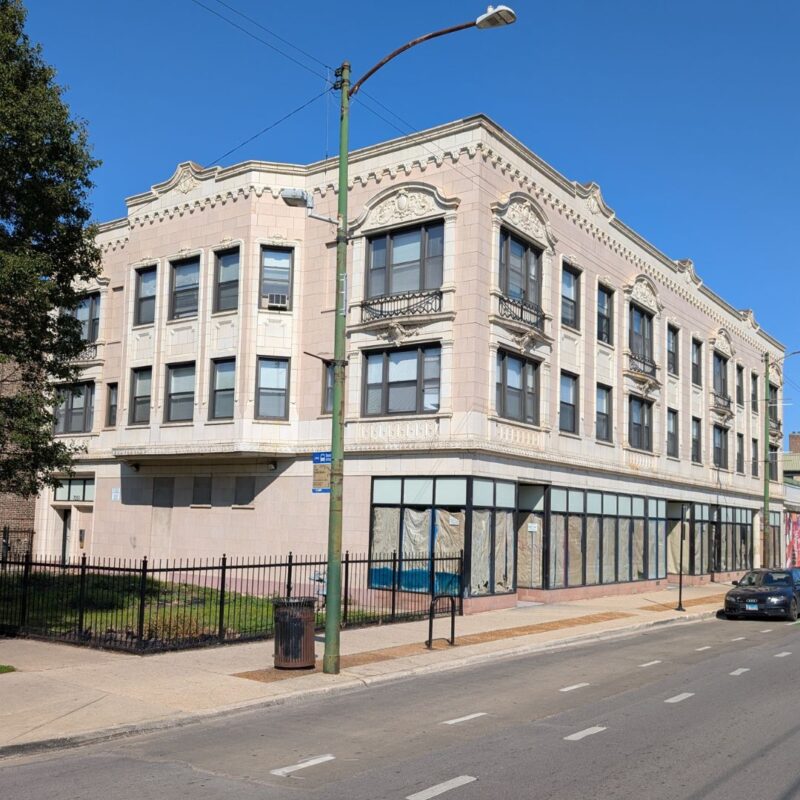
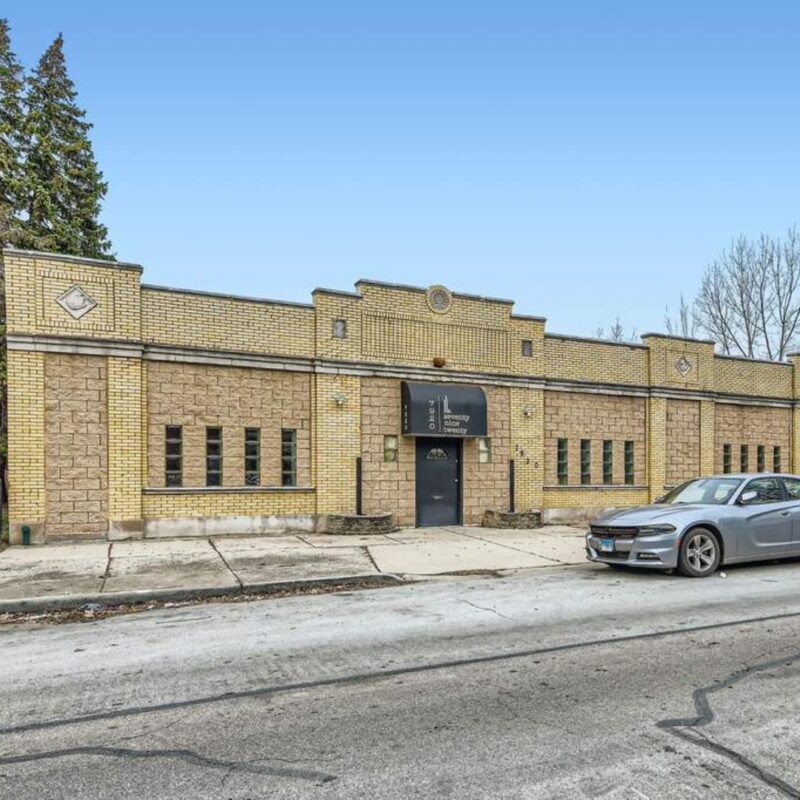
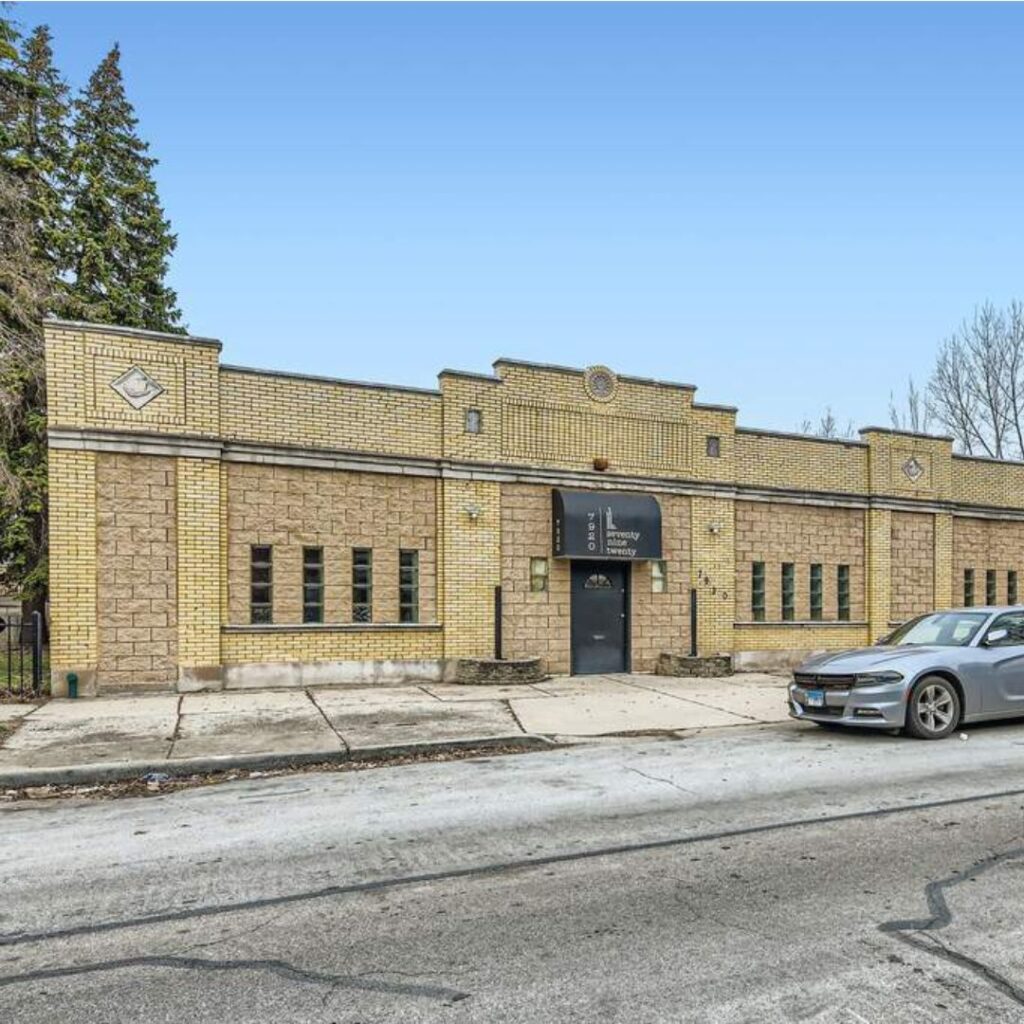
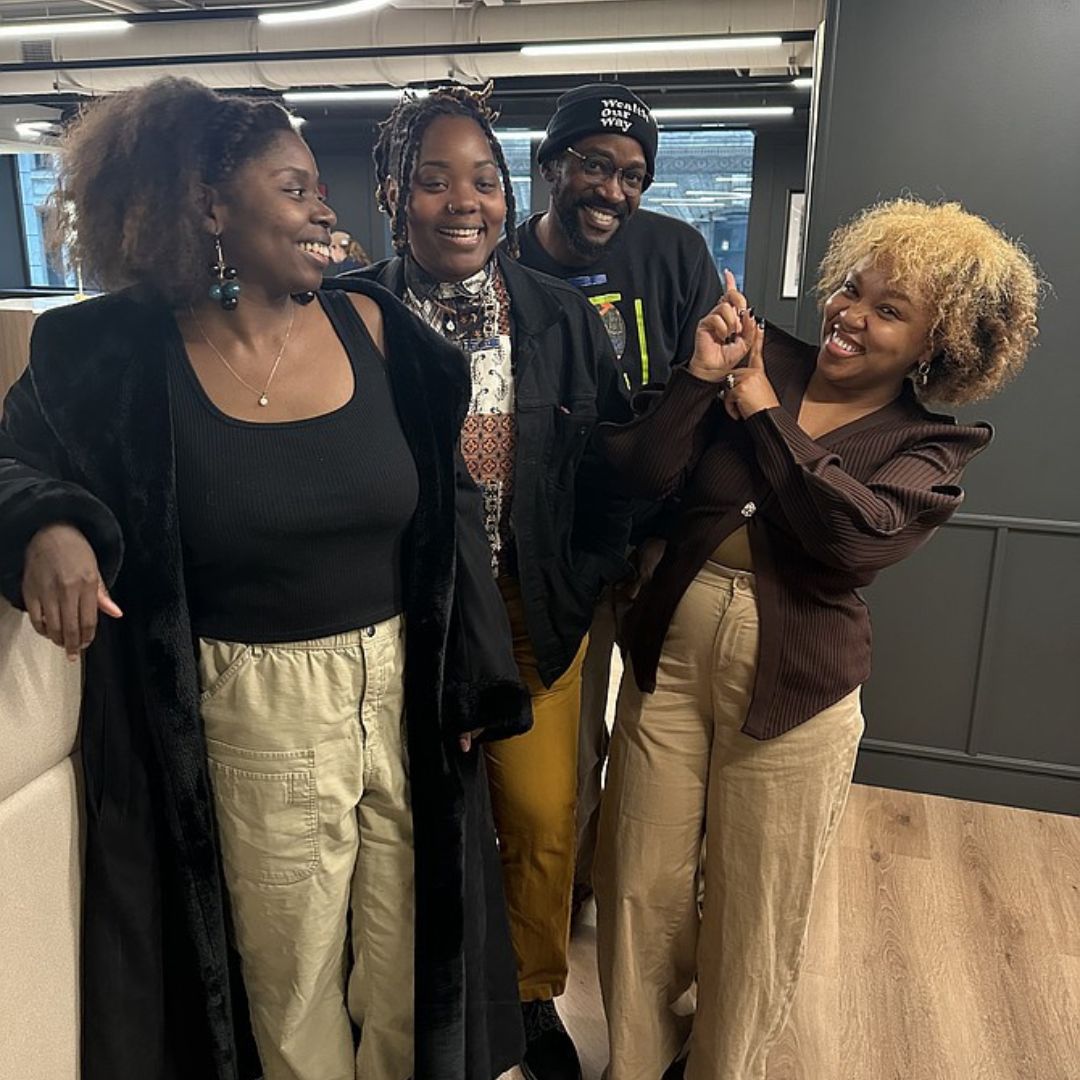
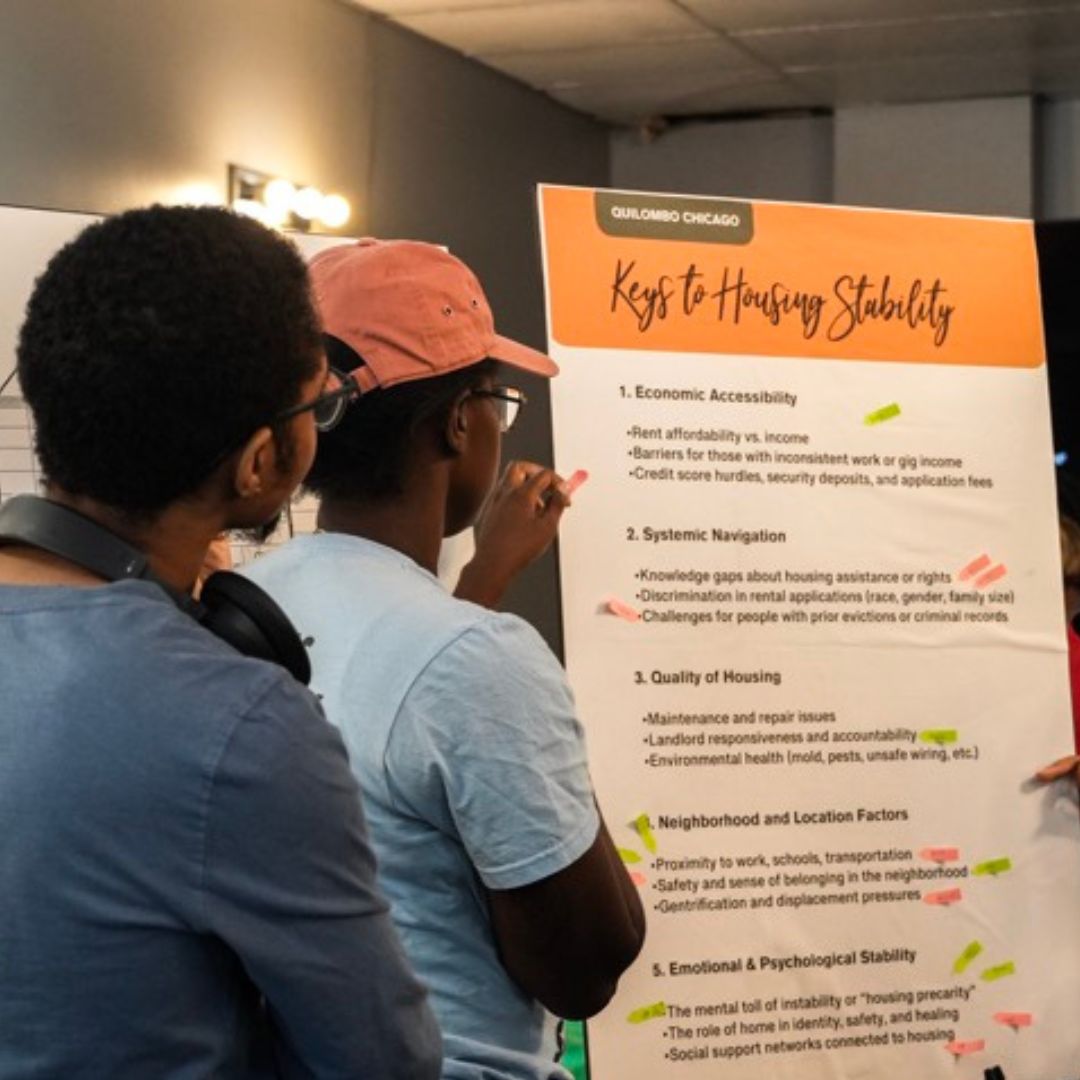
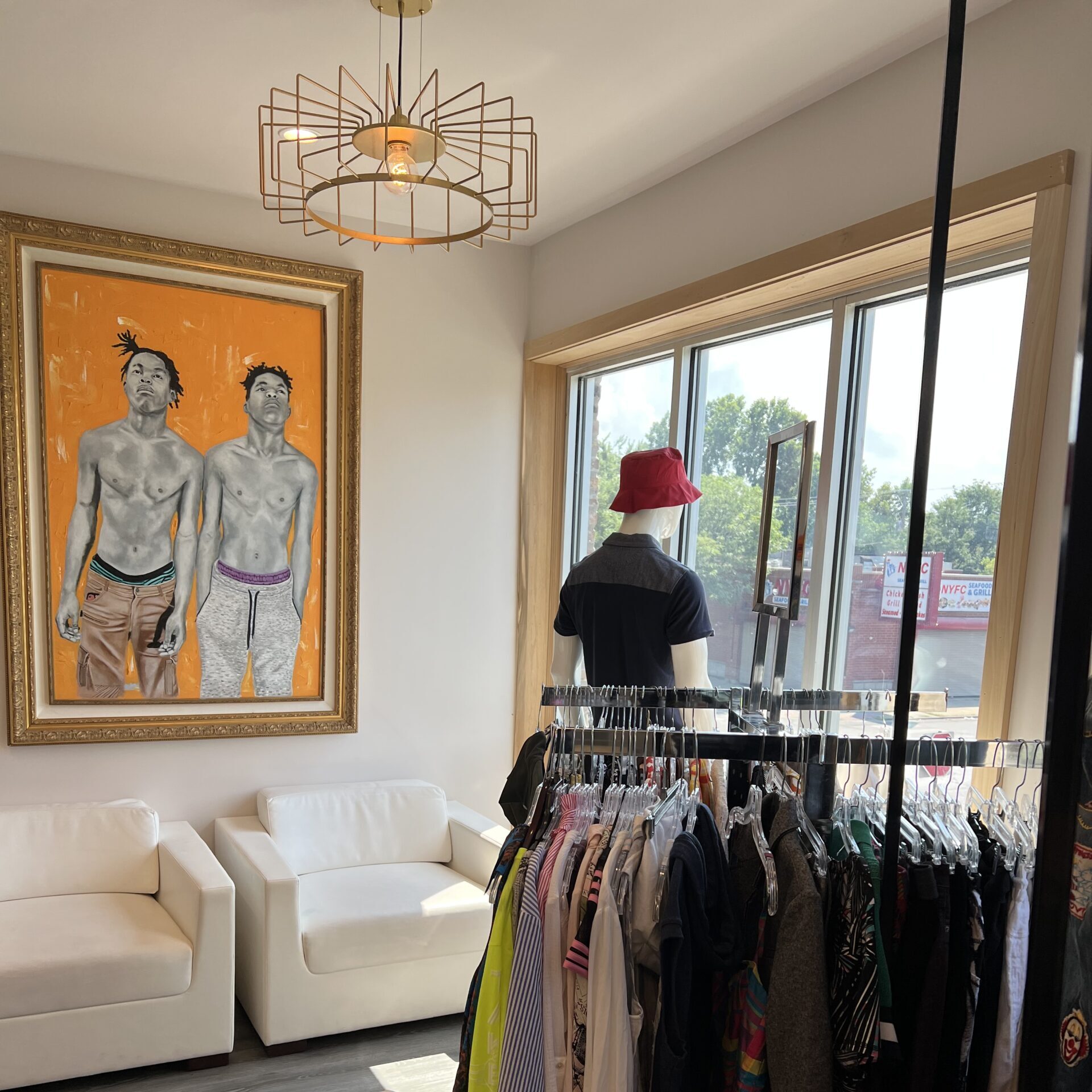
Chicago Quilombo will acquire and rehabilitate 5,500 square feet of commercial space in a mixed use building that will include community-focused retail and office space. Quilombo’s shared ownership model will be governed by a non-profit board comprised of young adults local to South Shore and adjacent communities. Quilombo’s project seeks to create affordable residential and commercial opportunities that reflect its values: Community Care, Transparency, Embodiment, Restoration, and Izwe-Lethu (cooperation).

“Community wealth building means that you no longer must leave your community to gain access to the things that you need.” – Cosette Ayele, Co-Founder & Executive Director and Dr. Inez White, Co-Founder & Wellness Lead

Learn More

Chicago Quilombo

Chicago Quilombo acquired a mixed-use building with ten apartments and over 5,000 square feet in commercial space to create a community hub for young adults in South Shore. Wealth Our Way funding will be used to catalyze the development of the building’s commercial units, including program offices and a marketplace for local entrepreneurs. Future phases of the project will include a full-service restaurant, upgrades to the building’s residential units, and community amenities.  

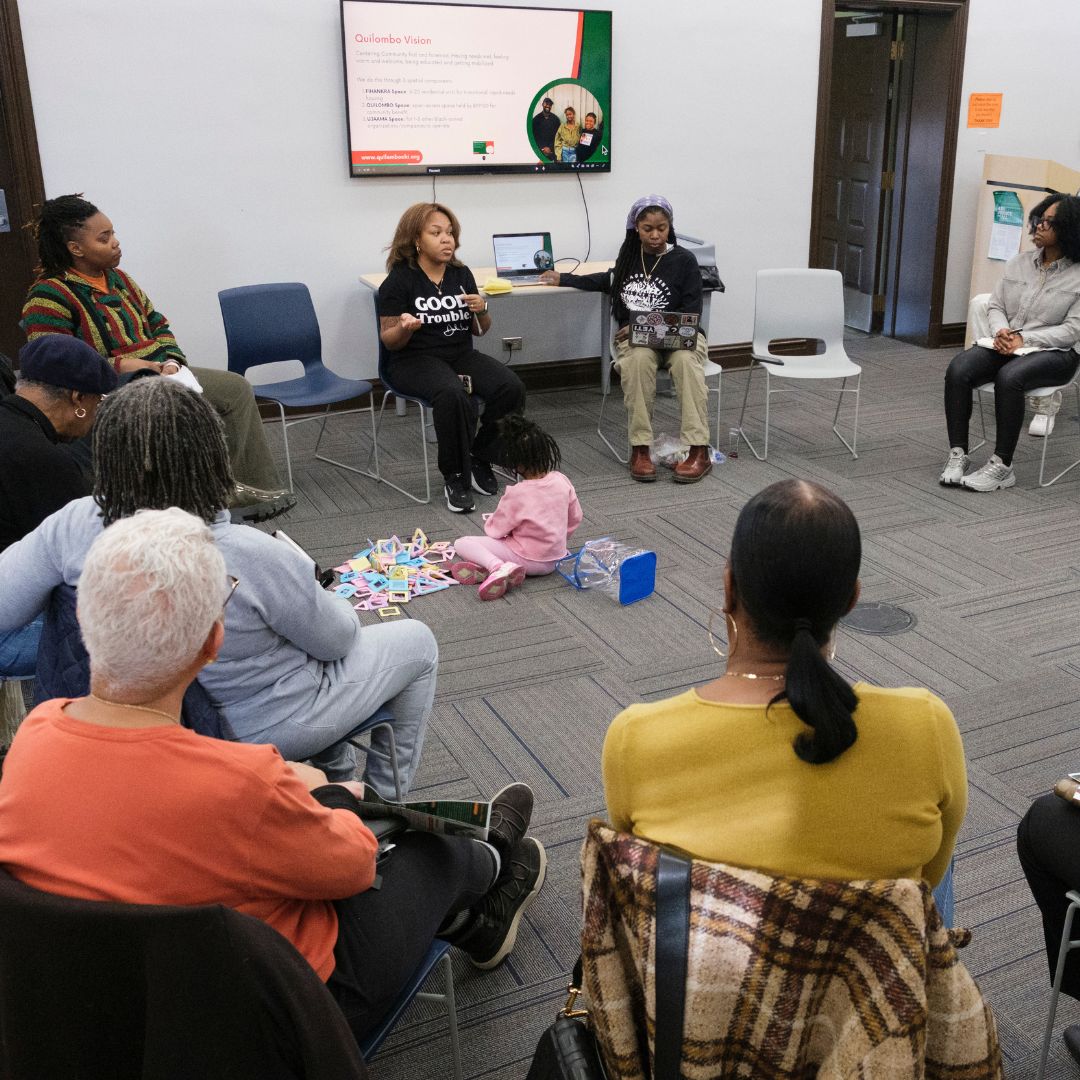
Quilombo Chicago was founded to address the need for safe spaces, high-quality amenities, and affordable living for young Black people in South Shore and adjacent communities. Quilombo provides programming and housing for Black young adults (ages 18-35) and will ensure that its board composition is always a majority young adult and a majority local (live within a two-mile radius of the building). This framework ensures that the decision-making process for the development is always in the hands of the community.

The community control is crucial to ensure that residents have input on the ownership of their neighborhood and a voice in the businesses and amenities available to them. Previously, the building was owned by an out-of-state owner who had minimal interaction with tenants and neighbors. Now, Quilombo is hosting regular community meetings to get local input on the vision for the building’s commercial space. 

The name Quilombo comes from Brazil, where escaped slaves and their descendants formed communities of resistance and self-sufficiency called quilombos. Quilombo Chicago envisions a space guided by this legacy. Its core values – Community Care, Transparency, Embodiment, Restoration, and Izwe-Lethu (cooperation) – will serve as the leading principles for the redevelopment of their building.

Interview with Chicago Quilombo

What does community wealth building mean to you?

Community wealth building means that you no longer must leave your community to gain access to the things that you need. We strongly believe that the community should fully hold the wealth garnered by this project. This is why our salaries are capped with the idea that true community wealth means putting the money back into the resources offered by the community center. 

Which aspect of this project are you most excited about?

We hope that other organizations can leverage the framework we built as a sustainable strategy to develop similar programs and tailor them to their communities. With Quilombo existing as a national organization, we wish to teach other chapters how this work can and should be done. 

What impact do you hope it will have for the South Shore community and beyond?

We hope to motivate owners to invest in the communities that molded them, so that they can in turn, mold the future of their community. In doing this work, we have faced plenty of discrimination and presumptions about our capabilities due to the various identities we possess in this space. We hope to change the narrative while teaching young Black people in other Chicago neighborhoods what is possible. 

E.G. Woode

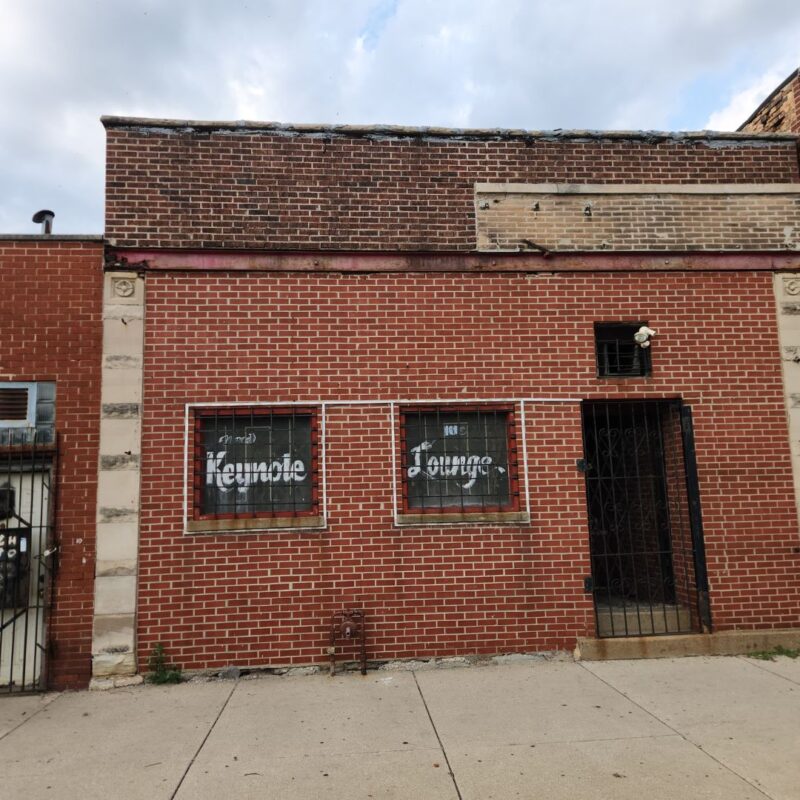
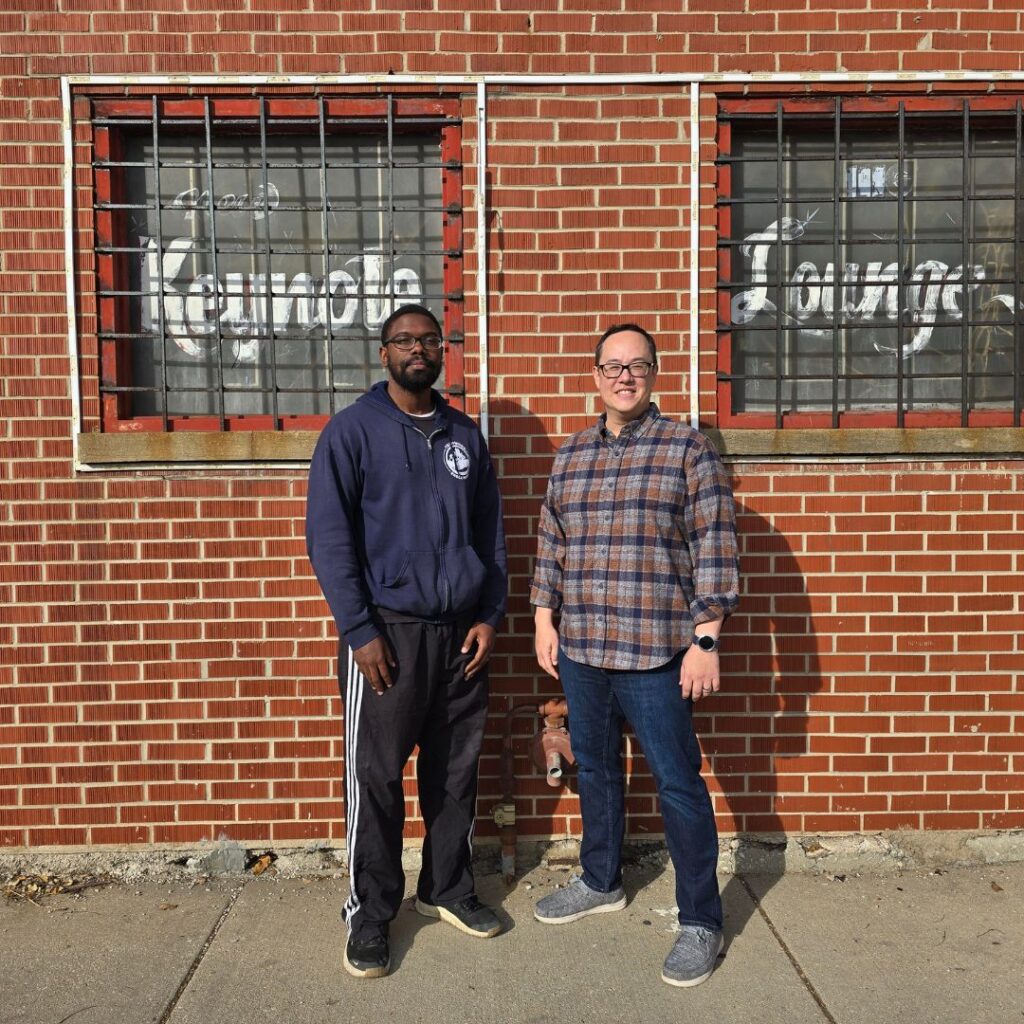
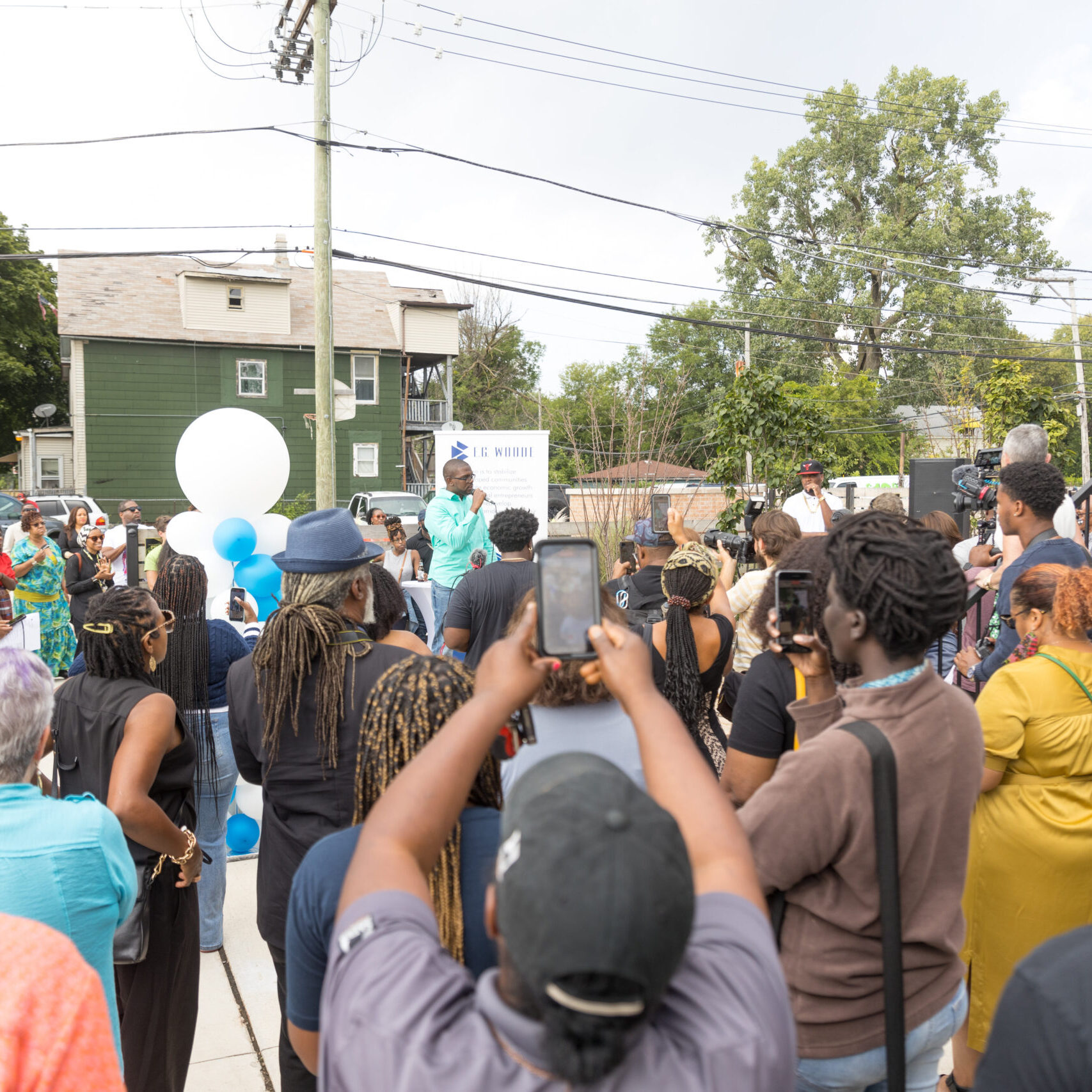
E.G. Woode will acquire a 1,860 square foot commercial building that will be developed for pop-up businesses in the Englewood neighborhood. E.G. Wood is a member-based real estate shared cooperative. The small business pop-up will be the third building developed by the collective.

“Stewardship drives our work forward, and it’s our aim to provide benefits to all community members, not just those who can invest directly.”  – Co-Founders Deon Lucas and Justin Essig

Learn More

E.G. Woode

E.G. Woode is transforming a former bar and lounge  in the heart of Englewood into a flexible Pop-Up Hub that will serve as a creative and economic launchpad for local entrepreneurs. Wealth Our Way funding will support the buildout of the 1,860 square feet space, including its interior, small commercial kitchenette, and integrated lighting and AV systems, allowing the Hub to host rotating pop-ups, art exhibitions, chef showcases, workshops, and cultural programming. Future phases include expanded community programming and youth-led activations.

E.G. Woode was founded to revitalize Englewood’s commercial corridors and expand access to opportunities for Black entrepreneurs on Chicago’s South Side. The organization’s unique model pairs community-rooted real estate development with a youth-led Community Benefit Trust (CBT) that reinvests a portion of project profits into locally selected initiatives. This ensures that decision-making power, and the economic value generated, remains with Englewood residents. Through below-market rents, shared-use infrastructure, and collaborative business support, E.G. Woode creates a platform for local talent to grow and flourish.

E.G. Woode’s mission is rooted in collective agency and generational investment. Its values — Collective Ownership, Local Control, Democratic Participation, Economic Justice, Cultural Legacy, and Sustainability — shape the development of the Pop-Up Hub and guide the organization’s long-term strategy to build a thriving, self-determined Englewood. By centering Black creatives and entrepreneurs, E.G. Woode creates spaces where residents can gather, build businesses, showcase their talents, and reinvest in one another. The small business pop-up will be the third building developed by the collective.

Interview with E.G. Woode

What does community wealth building mean to you?

Stewardship drives our work forward, and it’s our aim to provide benefits to all community members, not just those who can invest directly. By implementing a generational strategy rather than a right now strategy, we hope to serve as the rich neighborhood aunt and uncle who uses their assets to leverage, deploy and build the things that our community calls for. Who cares if one person gets fabulously wealthy if nobody else benefits?

Which aspect of this project are you most excited about?

Catalytic developments often come from a multitude of small things that stack on top of each other. While we adore larger developments, they often take time to turn over and include scarce amenities for the broader community. We look forward to catering to the Englewood community, while building towards a vision for the future. The possibility of meeting 50 entrepreneurs next door instead of just one is also exciting. By offering a multi-purposed blank box to the Englewood community, we hope to meet the next wave of people who wish to make an impact on this community that we call home.

What impact do you hope it will have on Englewood and beyond?

We hope that other communities will view our way of valuing both people and place and eventually steal our blueprint to use for their own neighborhood. If we can serve as a conduit to partnership with others as we begin to grow down the Englewood corridor then we will feel accomplished. 

HAZ Cooperative

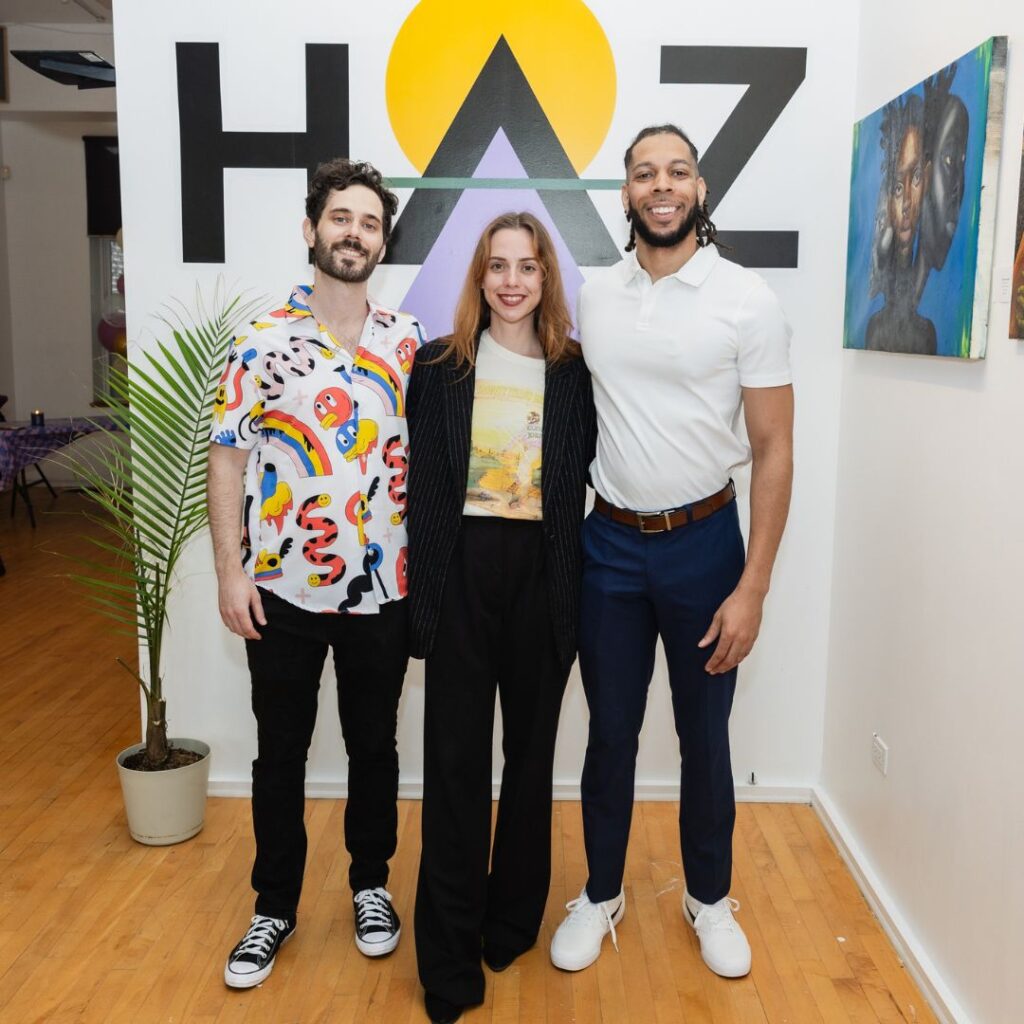
HAZ Cooperative will rehabilitate its collectively-owned building to expand opportunities for artists through studio, e-commerce, and event spaces. HAZ is a hybrid worker-owner and artist-owner cooperative that serves as an artist hub in Pilsen. HAZ uses cooperative principles to make art an accessible and viable career path for all.

“We view this work as a project of consequence. This means that we hope our work means something to the field and can shift the cooperative model into the arts in a way that exists outside of the traditional measures.” – Co-Founders Andrew Tschiltsch, Nathaniel Greene, and Olivia Hutto

Learn More

HAZ Cooperative

HAZ Cooperative Studios acquired a three-story, mixed-use property in Pilsen to establish a permanent, community-owned cultural and creative hub. Wealth Our Way funding will support a series of critical upgrades needed to stabilize and enhance the space, including backyard improvements for outdoor events, sound-resistant windows, exterior door restoration, building signage, and a major basement renovation that will create new production, storage, and operational business space. These improvements—ranging from structural reinforcement to new flooring, pavers, and pergola installation—will prepare the building for long-term sustainability while expanding HAZ’s ability to serve artists, cultural workers, and local residents.
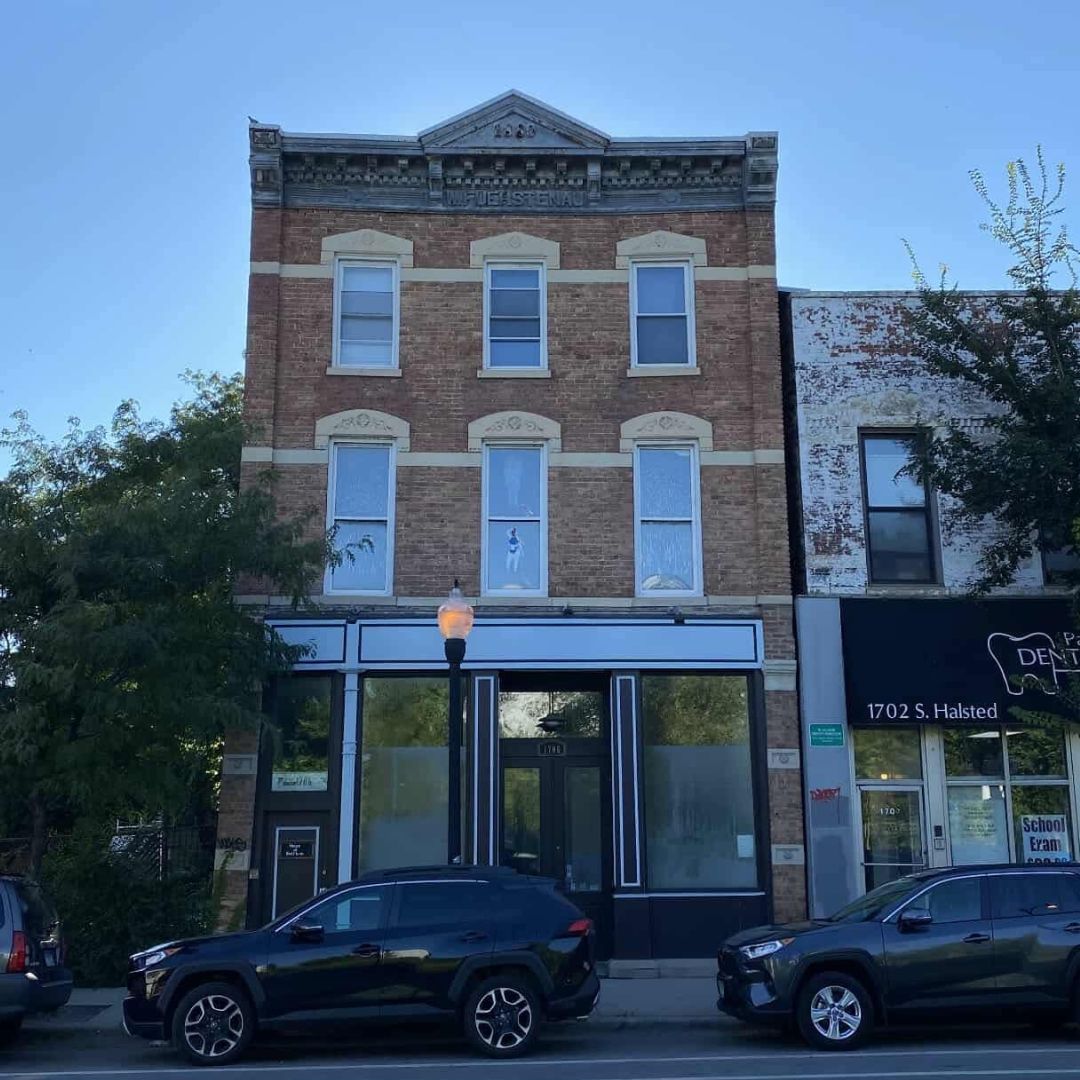
HAZ Cooperative Studios was founded to provide long-term stability, ownership, and creative infrastructure for Chicago-based independent artists—particularly Black and Brown artists who have historically lacked access to affordable workspace and sustainable career pathways. HAZ offers affordable studio space, event space rentals, and equipment to support art as a viable career path. As a multi-stakeholder cooperative, HAZ is owned and governed by its Worker-Owners and Artist-Owners, who share decision-making responsibilities and collectively determine the cooperative’s direction.

HAZ Cooperative Studios is guided by mission, vision, and values that center equity, creativity, and shared power. Core values—equal access, solidarity, transparency, personal growth, and shared success—align with the seven international cooperative principles and guide the co-op’s approach to organizational culture, member education, and community partnership.

Interview with HAZ Cooperative

What does community wealth building mean to you?

In addition to having numerous co-owners of a space, we hope to ensure that our organization doesn’t exist in a silo. One of our favorite offerings in the space is our community nights every Wednesday. This is an opportunities for neighbors to walk through our space and for organizations to host events as well. 

Which aspect of this project are you most excited about?

We’re excited to educate people on what working with a co-op can do, to expand an understanding of what that means. We view this work as a project of consequence. This means that we hope our work means something to the field and can shift the cooperative model into the arts in a way that exists outside of the traditional measures. This grant solidifies our longevity in the community. We look forward to bringing community members onto projects and having the physical space to offer a multitude of events. 

Why is the shared ownership model so important?

Since the arts are so collaborative, the shared ownership model is imperative to ensure that multiple artists succeed and plant seeds for others success. We hope to culminate not only a sense of shared ownership but a shared financial success. Removing the middleman puts more money into artists’ pockets and removes barriers to support artists looking to fully survive and thrive in a career in art. 

What are you looking to do in Pilsen through the WOW initiative?

We plan to make major renovations to our space including but not limited to reinforcing the back staircase, leveling the backyard space, soundproofing the exposed neighborhood space, expanding the indoor gallery space and more. Pilsen is no stranger to gentrification which is something that makes our space so sacred and special because it is for the community and by the community. With other co-operative housing initiatives occurring in the area, we have several models and potential partners to learn from and work with as we can expand and build as a co-op. 

Five Point Holistic Health

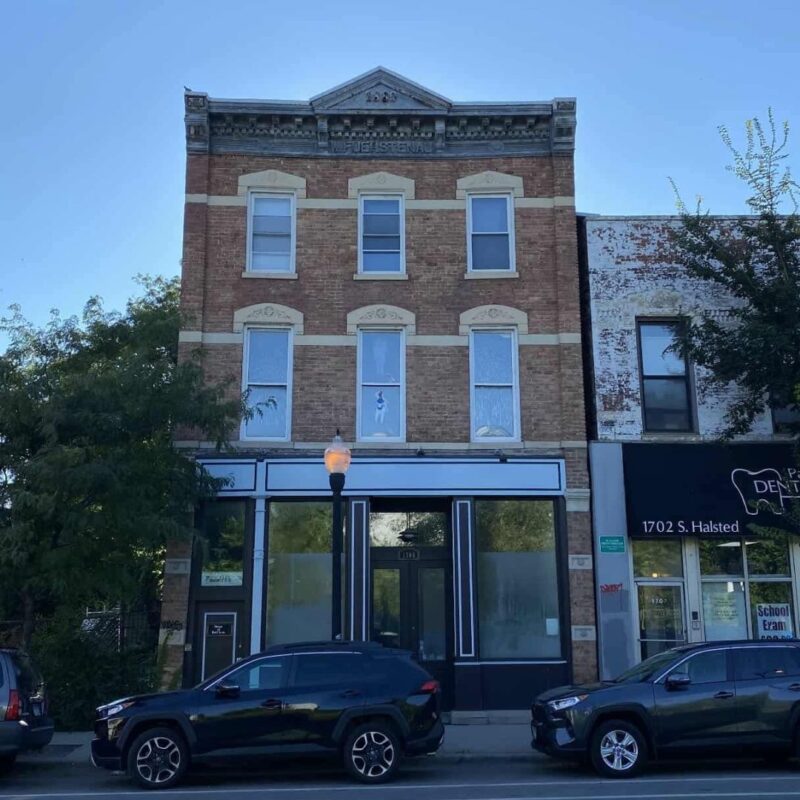
Five Point Holistic Health will rehabilitate a portion of a commercial building to expand areas for the delivery of holistic health services, including massage, psychotherapy, and acupuncture. This worker co-op is currently made up of seven worker-owners, with the goal of expanding ownership to 50% of all employees. Five Point was founded in 2014, making it one of the longest operating worker co-ops in the city.

Assuming the best of your partners and committing to transparent communication has been a key to our success.” – Co-Owners Nathan Paulus and Ryan Palma

Learn More

Five Point Holistic Health

Five Point Holistic Health is completing the buildout of its second floor at its Avondale location to expand holistic services and create a fully accessible community space. Wealth Our Way funding will support the installation of an ADA-accessible lift, renovation of two restrooms, construction of additional treatment rooms, refinishing of damaged floors, and the completion of a second-floor kitchenette for community use. These improvements will make the clinic’s upper floor fully functional for community meetings, group workshops, cooperative education, and expanded health services, allowing Five Point to complete its long-term vision for the site.

Five Point was founded in 2014 by five recent graduates seeking to create an affordable, accessible holistic health clinic for their community. In the decade since, the organization has grown into one of Chicago’s longest-standing worker cooperatives, offering acupuncture, herbal medicine, bodywork, massage therapy, and psychotherapy.  The project upgrades will complete their vision of becoming not only a thriving holistic clinic but also a community asset and resource for peer cooperatives across the region.

This model of worker ownership is essential to Five Point’s mission. As a cooperative, the clinic is owned and governed by the people who work in it, not outside investors. Ownership is open to all employees after 1,500 hours of work. Currently, seven of their twenty-two employees are worker-owners, and the organization aims to increase ownership to 50 percent of staff within two years. This democratic structure ensures that decisions remain rooted in the needs of practitioners, patients, and the broader community.

Community engagement is central to Five Point’s identity.  Between 2023 and 2025, Five Point participated in more than a dozen community events, reaching over 650 residents through free acupuncture, herbal tea tastings, mindfulness activities, and health education. The clinic also provides ongoing free classroom space to the La Leche League breastfeeding support group and maintains low rental rates for emerging practitioners and nonprofits. With the second floor completed, the clinic aims to strengthen partnerships, host more cooperative education, and become a central hub for wellness, healing, and community-building in Avondale.

Interview with Five Point Holistic Health

What does community wealth building mean to you?

Community wealth building is central to our mission and aims for economic equality between practitioners and the community. We achieve this by pooling resources, sharing risks, and distributing profits among the people doing the work. When a business succeeds, that success should translate into shared wealth and stable livelihoods for its workforce.  

As one of Chicago’s longest-standing worker co-ops, what are the ingredients for a successful partnership?

Assuming the best of your partners and committing to transparent communication are key. In a cooperative, it’s important to unlearn capitalist frameworks—the collective is always more important than any individual. Once this is unlearned, you must relearn how to engage responsibly in a position of power. One major benefit of the co-op sector is the amount of resource sharing with organizations that have navigated similar challenges.  

What impact do you hope this project will have for the Avondale community and beyond?

Healthcare is neither affordable nor accessible for many Chicagoans. By improving our space and expanding our service offerings—including future physical therapy—we hope to increase access to high-quality, community-centered care while creating more jobs and ownership opportunities. 

CrossTreats

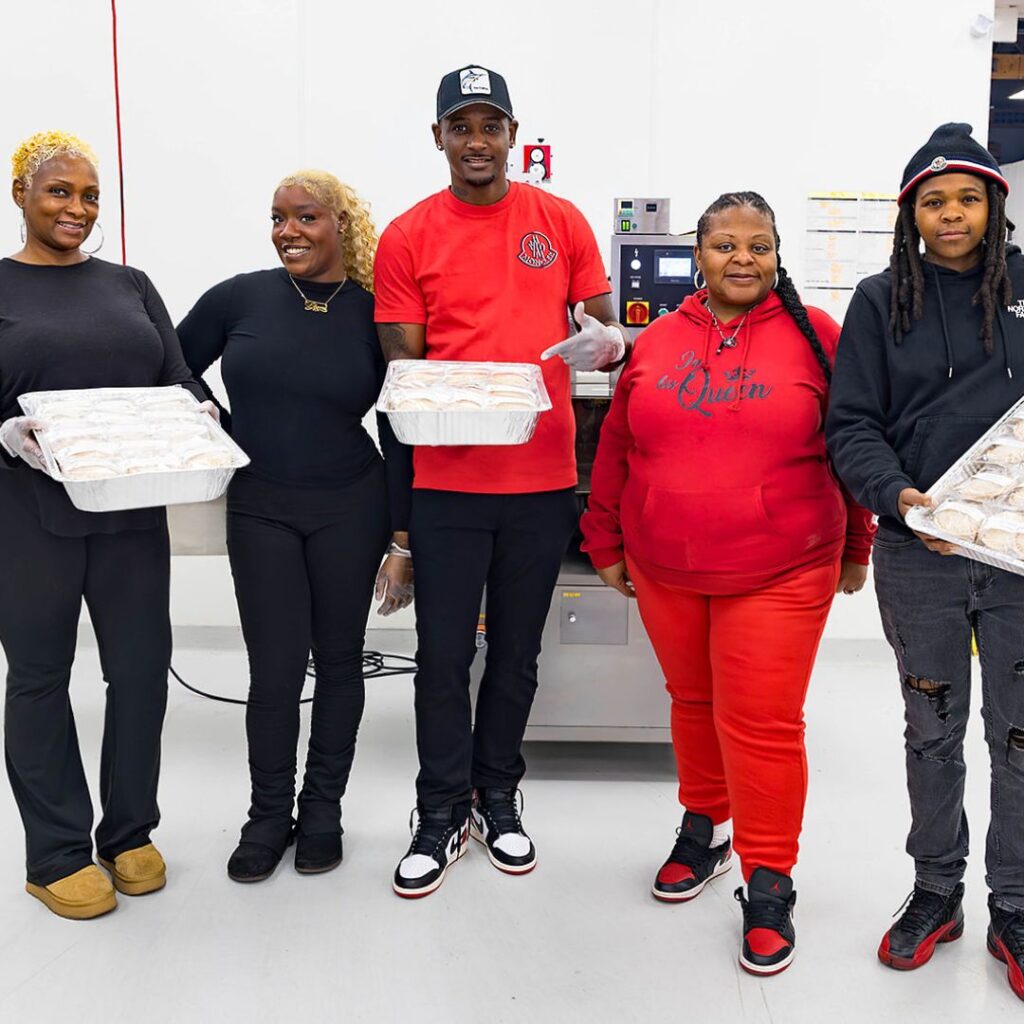
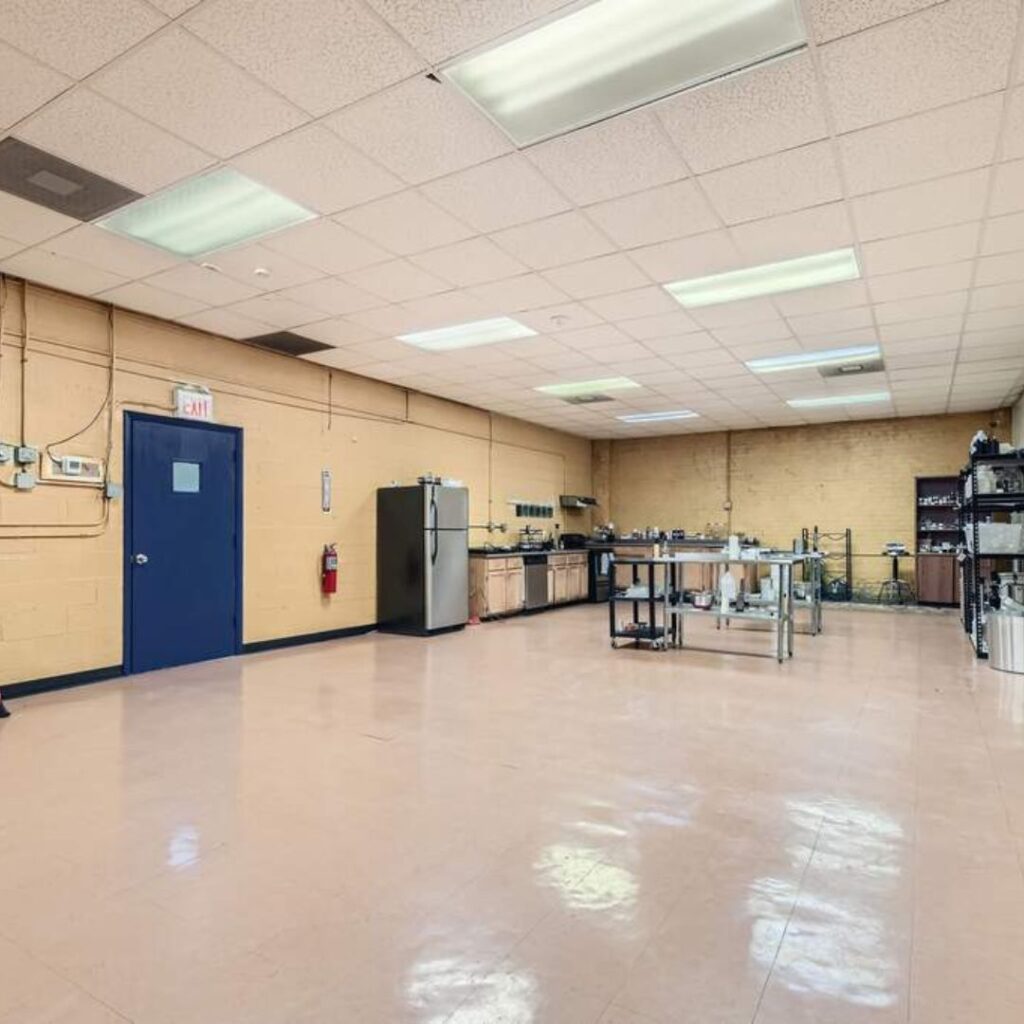
CrossTreats will acquire and rehabilitate a 12,500 square foot building into a food manufacturing headquarters to expand its operations and worker-members. CrossTreats is a worker cooperative that creates healthy, nut-free snacks. Many worker-owners are justice-involved, using the worker co-op platform to address challenges to reentering the workforce. Their signature snack – Mo’Mo Bites – is scheduled to hit shelves in 2026.

“We want to show people that there can be positive change from people that look like them in our community hub.” – Moe Moe Williams, Co-Owner with Amanda Sarria and Eboni McKnight

Learn More

CrossTreats

CrossTreats will acquire and rehabilitate a 12,500 square foot building in Avalon Park, converting the building into the manufacturing headquarters for their worker cooperative.  Wealth Our Way funding will be used to complete the buildout of a commercial kitchen, food storage, dedicated manufacturing and packaging areas, and office and meeting rooms for cooperative operations and workforce development. The renovation will also create an event and tasting space where CrossTreats can host product tastings, community meetings, and partner events. These upgrades will allow CrossTreats to scale its signature Mo’Mo Bites line and expand into new products while creating local jobs and revitalizing a long-vacant property.

CrossTreats was founded to address the community’s need for healthier, allergen-conscious snacks and equitable employment opportunities—particularly for individuals facing barriers to work and ownership due to involvement with the justice system.  The team is currently made up of four worker-owners, and every worker is eligible to become an owner after one year. The cooperative structure guarantees that control remains fully in the hands of CrossTreats’ worker-members, keeping wealth local and circulating within the communities they serve.

The cooperative has engaged Avalon Park residents through door-to-door outreach, an open house, participation in local association events, and meetings with community institutions. Ongoing engagement—including future open houses and meetings with local Aldermen—ensures residents have a voice in shaping the space, the programming, and the growth of the cooperative.

Interview with CrossTreats

What does community wealth building mean to you?

Community wealth building to us means reconstructing the community with programs and resources centers that help people in need. We want to secure safer neighborhoods by connecting children to youth centers and connecting returning citizens to job opportunities. 

Which aspect of this project are you most excited about?

We were excited to get out of the shared kitchen and into our own space. With our own kitchen, CrossTreats will be able to expand our reach in terms of Mo/Mo Bites made, folks fed as well as community members employed. 

Why is the shared ownership model so important?

It allows us to break down barriers of employment and turn jobs into pathways of ownership and stability.  We want to show people that there can be positive change from people that look like them in our community hub. 

What impact do you hope this initiative will have on Avalon Park and beyond?

We know that the ability to hire local residents will be a major benefit to our community. By repurposing the vacant buildings for food production and cooperative enterprise, we are going to transform underutilized spaces into community assets that generate local economic activity. 

Bennett Place

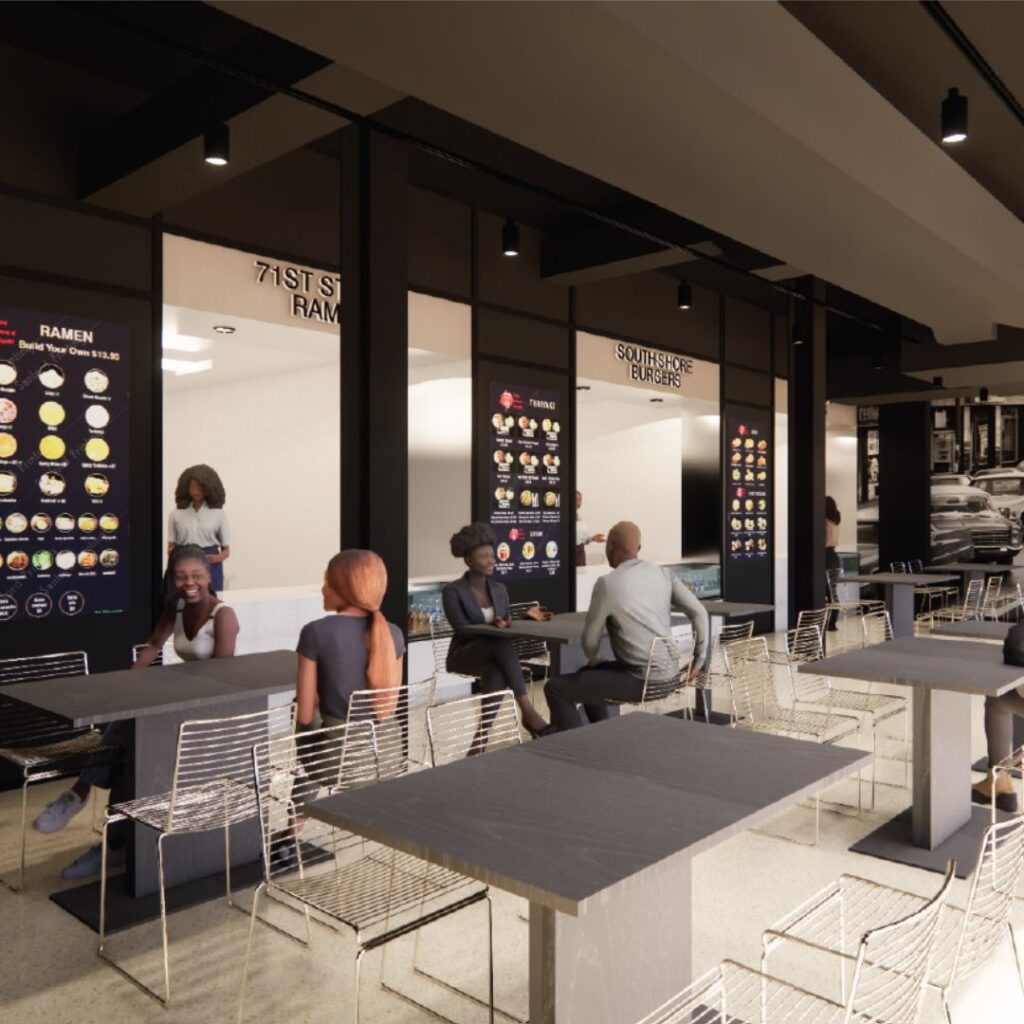
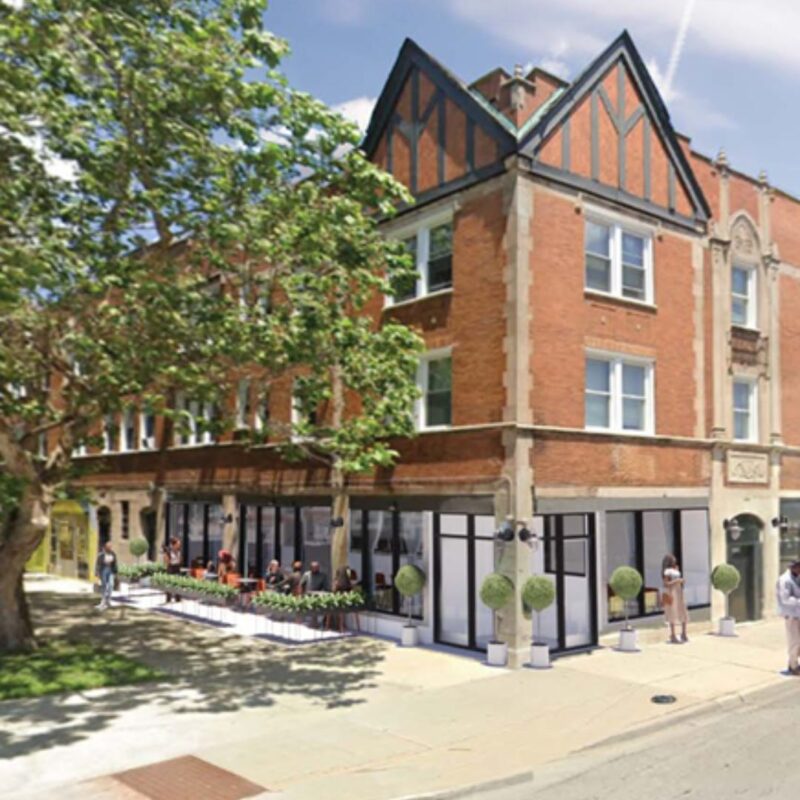
Bennett Place is a 16-unit mixed-use building owned collectively by 25 members of the South Shore neighborhood.  WOW grant funds will be used for a second phase of renovations, allowing the team to build out the 5,000 square foot ground floor commercial space to include a full-service restaurant. The collective purchased the building in 2020 and completed the rehab of the housing units as the first phase of renovations.

We believe that shared ownership can create a sense of belonging and purpose for neighbors who are empowered to participate in the improvement of their community.”  – Michael Kelley, Managing Member

Learn More

Bennett Place

Bennett Place is a resident-led redevelopment of a mixed-use property at 71st Street and Bennett Avenue in South Shore. The building includes sixteen apartments over ground floor commercial space.  Bennett Place was purchased collectively in 2020 by 27 South Shore neighbors committed to revitalizing their own community. Wealth Our Way funding will support the conversion of the 5,000 square-foot ground floor commercial spaces into two new restaurant spaces: a sit-down restaurant with an outdoor patio and a restaurant incubator that will function as a food hall for emerging local entrepreneurs.

The Bennett Place team came together to address a long-standing need in South Shore: access to high-quality dining and  gathering spaces, and the opportunity to build businesses locally. After stabilizing the residential units, the team has turned its focus to creating the kinds of amenities their neighbors have consistently asked for in surveys, meetings, and community studies. The fully local ownership structure, made up entirely of South Shore residents living within a few blocks of the property, ensures that decisions about tenancy, design, and business offerings remain grounded in community priorities.

This community stewardship is particularly significant because the former property owner was not local, and the building suffered from deferred maintenance and underuse. By taking ownership collectively, Bennett Place has created a model for inclusive redevelopment driven by residents who understand their neighborhood’s history and potential. Ongoing engagement – including real-time community feedback on restaurant concepts, local hiring commitments, and incubator opportunities – ensures that neighbors directly influence how the building evolves and the types of food, culture, and amenities it brings to the corridor.

Bennett Place’s mission reflects a belief that South Shore deserves the same quality-of-life amenities found throughout the city. The group’s values of local ownership, democratic decision-making, and inclusive investment guide their redevelopment work and reinforce the vision of a vibrant, self-determined neighborhood. The project aims to demonstrate that transformative redevelopment can be both community-led and community-benefiting, inspiring other residents and investors to believe in South Shore’s future and participate in strengthening the corridor.

Interview with Bennett Place

What does community wealth building mean to you?

Community wealth building to us means identifying a path to both purpose and profitability. Done correctly, it can demonstrate that it’s possible to both make a difference and make money without the two being in conflict with one another. Ever since covid, many communities across the nation have been pushed to confront systems that we didn’t think twice about in the past. Community ownership should empower both the consumers and the entrepreneurs who provide services in their community. At the end of the day, businesses and their customers are in partnership with each other to create mutually beneficial outcomes for the communities they each call home. That’s what real wealth in a community looks like. 

Why is the shared ownership model important?

As an organization that has practiced shared ownership for the last five years, we understand how important community involvement is for adding value to neighborhood redevelopment.  We’re excited to be a part of the shared ownership ecosystem that’s being built here in Chicago. We believe that shared ownership can create a sense of belonging and purpose for neighbors who are empowered to participate in the improvement of their community. 

What impact do you hope it will have for South Shore and beyond?

We hope more residents of South Shore go from asking, “How do I leave the neighborhood where I grew up” to instead asking, “How can I be a part of making my community better”. We wish to create an aspirational community right here that both draws people into South Shore while also maintaining space for those who grew up around here so that we can all benefit from a brighter future together. We want to demonstrate how a community can successfully have a meaningful role in its own growth and revitalization and be a proof of concept for other communities to do the same. 

Our Partner

Chicago Build Better Together Logo
Wealth Our Way is part of the City of Chicago’s Build Better Together Initiative supported by the Department of Planning and Development. Build Better Together is Mayor Brandon Johnson’s comprehensive economic development strategy driving growth in each of Chicago’s 77 communities. Build Better Together leverages the foundation set by the “Housing and Economic Development Bond” and “Cut the Tape” along with other tools at the City’s disposal to execute on key projects for our communities based on the three foundational pillars:

ChicagoDPD

  • Quality and Affordable Housing for All
  • Business, Innovation, and Job Growth
  • Neighborhood Investments and Vibrant Communities
Wealth Our Way (W.O.W.) Overview

Many low- and moderate-income neighborhoods, especially those on the South and West sides of Chicago, have been disinvested in by the government and private sector. As a result, these residents do not own or control many of the assets in their neighborhoods (businesses, homes, land, commercial property, etc.). Residents in these neighborhoods are excluded from opportunities to build financial wealth, often shut out of development decisions, and can be at risk of displacement.

W.O.W. is a collaborative initiative developed by Community Desk Chicago (The Desk) to support communities in launching wealth-building models, based on their terms, that advance their quality of life, build wealth and shift power dynamics in their neighborhoods.

Seeded through a $4.11M City of Chicago investment, the W.O.W capital grant program provides both capital grants and technical coaching to commercial shared ownership models that promote ownership and control of businesses and community assets, specifically, Community Investment Vehicles (CIVs) and Worker Cooperatives (Work Co-ops).

Funding Opportunity

Selected CIVs and worker co-ops will be awarded W.O.W. capital grants for up to 75% of the total project costs for their real estate project, with a maximum award size of $500,000. Up to $3.5 million of W.O.W. capital grants may be awarded.

W.O.W. capital grants are one-time awards that must be expended by December 31, 2026.

W.O.W. Program Activities

The W.O.W. capital grant program provides structured technical coaching, capital coordination and other related resources to support the launch of both worker co-ops and CIVs across the City of Chicago. The W.O.W. framework provides the necessary technical resources to help ensure success as communities design wealth-building models their way.

In addition to receiving funding, W.O.W. grantees will participate in a set of interrelated activities that support the progress and success of their CWB model and their real estate project. Over the course of 16 months (September 2025 to December 2026), participants’ activities will include:

  • Work Plan –organizing and executing key project tasks through a structured work plan to help ensure long-term success
  • Technical and Operational Support – monthly engagement with an operations coach and a real estate coach
  • Launch Support – access to “back office” investment services and third-party educational resources on financial literacy, wealth building and community engagement
  • Knowledge and Networks – participation in a CWB Community of Practice (COP) to share lessons learned and best practices with peers and national experts
  • Capital Coordination – connections to local and national philanthropy, community development financial institutions (CDFIs) and other flexible capital sources
For More Information

Applications for W.O.W. Capital Grant Program are now closed.

For questions about the W.O.W. Capital Grant Program, please email us at wow@communitydeskchicago.org.